Buying or building on rural land near Great Falls often means facing a decision that city dwellers never have to think about: cistern vs well. Both can supply a household with water, but they work in completely different ways, and the right choice depends on your property, your budget, and how much you want to manage on your own.
How a Well Works
A well draws groundwater up from beneath your property through a drilled shaft and pump system. Once it’s in place, a well can supply water on demand without needing outside delivery. That independence is appealing, but it comes with tradeoffs: drilling costs vary by depth and geology, not every property has reliable groundwater, and the pump, casing, and pressure system all require upkeep over the life of the well. Water quality and yield can also vary significantly from one piece of land to the next.
How a Cistern Works
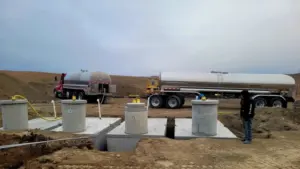
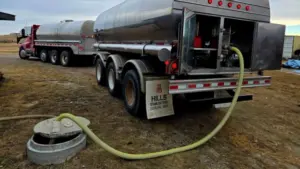
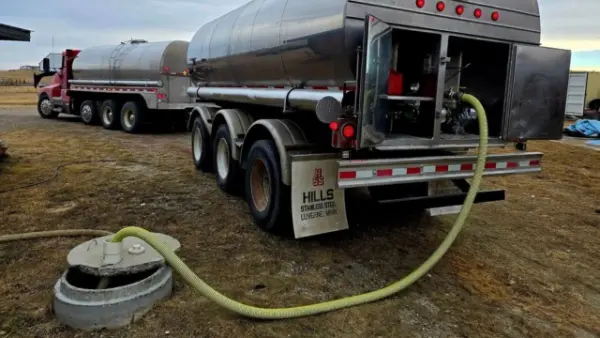
A cistern is a storage tank — above or below ground — that holds water for household use. Instead of pulling water from beneath the property, the tank is filled by a delivery service on a schedule that matches how much water the household uses. There’s no drilling, no dependence on the property’s groundwater, and no pump system to maintain in the way a well requires.
Cistern vs Well: Key Differences
| Factor | Well | Cistern |
|---|---|---|
| Upfront setup | Drilling, casing, and pump installation | Tank installation only — no drilling required |
| Ongoing water source | Depends on property’s groundwater | Supplied by scheduled or one-time delivery |
| Maintenance | Pump, pressure tank, and system upkeep | Tank maintenance; water supply is handled by the delivery provider |
| Flexibility | Fixed once drilled | Delivery schedule can flex with weekly, bi-weekly, monthly, or one-time service |
| Best fit | Properties with strong, tested groundwater access | Properties without reliable groundwater, cabins, or owners who want predictable, measured supply |
Why Some Rural Montana Homeowners Choose a Cistern
Not every property near Great Falls, Ulm, Sun River, Cascade, Black Eagle, Fort Shaw, Floweree, Belt, or Fairfield has water conditions that make drilling a well practical or cost-effective. A cistern system sidesteps that uncertainty entirely. Instead of relying on what’s underground, homeowners rely on a delivery service to bring exactly the water they need, on a schedule that fits their household.
This matters most for:
- Cabins and seasonal properties that don’t justify the cost of drilling a well
- New rural buyers still learning their property’s water situation
- Homeowners who want predictable, measured water rather than variable well output
Questions to Ask Before You Decide
Rather than treating cistern vs well as a purely financial decision, it helps to walk through a few practical questions about the property itself:
- Has the property’s groundwater ever been tested? Prior test results, or a lack of them, tell you a lot about how much of a gamble drilling would be.
- How will the property be used? A full-time residence has different water needs than a weekend cabin or a seasonal hunting property.
- How much involvement do you want in maintaining your water system? A well means owning a pump and pressure system for the long haul. A cistern shifts that responsibility to the tank itself, with the water supply handled by a delivery provider.
- What’s your tolerance for uncertainty? Well yield can fluctuate with drought conditions and water table changes. A cistern’s supply is only limited by how often you choose to schedule delivery.
What Cistern Ownership Actually Looks Like Day to Day
Choosing a cistern doesn’t mean thinking about water constantly. Once a household settles into a delivery rhythm — weekly, bi-weekly, monthly, or one-time as needed — checking the tank level and scheduling the next fill becomes routine. It’s a different kind of maintenance than a well, less mechanical and more about staying ahead of your own usage pattern. For many rural homeowners, especially those new to a property, that tradeoff feels more manageable than troubleshooting a pump or worrying about a well running low during a dry stretch.
A Decision Worth Revisiting Over Time
Cistern vs well isn’t necessarily a permanent, one-time decision. Some homeowners install a cistern as an interim solution while deciding whether to invest in drilling, or as a permanent backup even after a well is in place. Others start with a well and add a cistern later if yield turns out to be inconsistent. There’s no single right answer that applies to every rural property near Great Falls — the right setup depends on what’s actually beneath your land and how much certainty you want in your day-to-day water supply.
Digital Metering Takes the Guesswork Out of Cistern Ownership
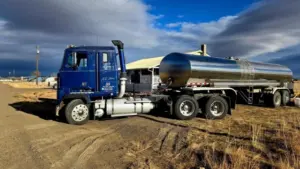
One advantage a cistern system has over a well is transparency at every fill. High Plains H2O delivers digitally metered water on every load, so cistern owners know exactly how much water went into their tank — no estimates, no guesswork. Deliveries can be scheduled weekly, bi-weekly, monthly, or as a one-time fill, which gives rural homeowners a level of control that a fixed well simply doesn’t offer.
Which Option Is Right for Your Property?
The cistern vs well decision really comes down to what’s under your land and how much flexibility you want. If groundwater access is uncertain, costly to develop, or simply not appealing compared to a measured delivery service, a cistern paired with reliable water delivery is worth serious consideration.
High Plains H2O has served rural properties in the Great Falls area for years, backed by over 37 years of trucking industry experience. If you’re weighing your options, call (406) 880-9415 or visit our cistern water delivery page to talk through what makes sense for your property.
Frequently Asked Questions
Costs vary by property, but a cistern avoids drilling and pump installation entirely, replacing that upfront cost with scheduled delivery service instead.
Yes. Some homeowners install a cistern as a backup or primary source if well output becomes unreliable or if drilling isn’t practical on their land.
Household size, water habits, and cistern capacity all factor in. High Plains H2O can help you settle on a delivery schedule based on your actual usage.